Different kinds of coffee

Whether you prefer the simplicity of a French Press or the technical art of a Flat White, the world of coffee has a type for every palate. The best coffee, ultimately, is the one you enjoy the most.
Coffee beans
 The World in Your Cup: A Guide to Coffee Types For billions of people around the globe, coffee is more than just a morning pick-me-up; it's a ritual, a comfort, and a culture. But walk into any café and you are faced with a daunting menu: espresso, latte, americano, cold brew. Understanding the different types of coffee begins with two fundamental species and extends into an art form of preparation. Here is your guide to the world’s most beloved beverage. #### The Foundation: Arabica vs. Robusta Before you order a drink, you are choosing a bean. Almost all coffee falls into two categories. **Arabica** is the king of speciality coffee. Grown at high altitudes, it is known for its smooth, complex flavour profile. You might taste notes of fruit, sugar, or berries, with a higher level of acidity (the bright, winey taste, not the sour one). It contains less caffeine than its cousin. If you want a gentle, flavorful cup to sip slowly, you want Arabica. **Robusta** is the workhorse. It is easier to grow, yields more fruit, and contains almost double the caffeine of Arabica. The taste is often described as harsh, grainy, or rubbery, with a heavy, creamy crema (the foam on top). You will usually find Robusta in instant coffee and espresso blends where a caffeine kick and thick texture are desired over delicate flavour. #### The Classics: Brewed Coffee Most home brewing falls into this category. These methods rely on hot water passing through ground coffee to extract the flavour. **Filter/Drip Coffee:** The standard American "cuppa joe." Hot water drips through a paper filter full of medium-ground coffee. The result is a clean, light-bodied cup with no sediment. It’s the most common way to drink a large volume of coffee. **French Press (Press Pot):** Considered the purest method. Coarse coffee grounds steep directly in hot water for 4 minutes, then a metal mesh plunger presses the grounds to the bottom. Because no paper filter is used, the oils remain in the cup. This results in a heavy, rich, full-bodied brew with a muddy texture at the bottom. **Pour-Over (e.g., Chemex or V60):** The ritualistic method. The barista pours hot water manually over the grounds in a slow, circular motion. This gives maximum control over the brewing process, producing a clean, bright, and highly nuanced cup that highlights the specific flavour notes of the bean. **Cold Brew:** Not just iced coffee. Cold brew involves steeping coarse grounds in room-temperature or cold water for 12 to 24 hours. Because heat never touches the grounds, the acidity is drastically reduced, leaving a smooth, chocolatey, and sweet concentrate that is usually diluted with water or milk. #### The Espresso Family Espresso is not a bean or a roast; it is a *brewing method*. Hot water is forced through finely-ground coffee at high pressure (9 bars). This creates a 1-ounce "shot" with a layer of golden-brown foam (crema) on top. Espresso is the intense, concentrated base for almost every café drink. **The Single Shot (Solo):** The pure essence of coffee. It is heavy, syrupy, and drunk quickly. **The Double Shot (Doppio):** Two ounces of espresso in one cup. This is the standard order in most modern coffee shops. **Ristretto:** A "restricted" shot. The barista uses the same amount of coffee but half the water. The result is sweeter, less bitter, and more concentrated than a standard espresso. **Lungo:** The opposite of a ristretto. The barista runs much more water through the grounds, making a longer, more bitter, and more caffeinated shot. #### The Café Menu: Milk & Water Drinks The magic of the espresso machine lies in steamed milk and water. Here is the breakdown of what you actually order at the counter. **Americano:** For those who want volume without milk. One or two shots of espresso are diluted with hot water. It looks like drip coffee but has a different flavour—lighter body, higher acidity, and a distinct crema. **Long Black** is the reverse (water first, then espresso) to preserve the crema. **Latte:** The most popular "milk coffee." It is one or two shots of espresso with a large amount of steamed milk and a thin layer of microfoam (velvety milk foam) on top. It is creamy, mild, and designed for drinking slowly. **Cappuccino:** The balanced sibling. Equal parts espresso, steamed milk, and milk foam. It is served in a smaller cup (6 oz) than a latte, meaning the coffee taste is much stronger. A good cappuccino feels "dry" and pillowy. **Flat White:** An Australian/New Zealand invention. Similar to a latte but with a thinner layer of microfoam and usually a double shot of espresso. It is stronger and "wetter" than a cappuccino, focusing on the silky texture of the milk rather than the foam. **Macchiato:** *Macchiato* means "stained" or "marked." An **Espresso Macchiato** is a shot of espresso with just a dollop of milk foam on top. It is very strong. A **Latte Macchiato** is mostly steamed milk "stained" with a shot of espresso poured on top. **Mocha:** The dessert coffee. A latte with chocolate syrup (or powder) added. Usually topped with whipped cream. It is sweet, rich, and a treat rather than a daily habit. #### Special Mentions **Irish Coffee:** A cocktail. Hot coffee, Irish whiskey, brown sugar, and a thick layer of cream floated on top. Do not stir it; drink the coffee through the cream. **Affogato:** Part dessert, part coffee. A scoop of vanilla gelato or ice cream is "drowned" in a hot shot of espresso. The contrast of hot, bitter coffee and cold, sweet cream is divine. **Turkish Coffee:** One of the oldest methods. Finely ground coffee (to a powder) is boiled in a special pot called a *cezve* with water and sugar. It is served in a small cup, grounds and all. You must let the mud settle at the bottom before drinking. Whether you prefer the simplicity of a French Press or the technical art of a Flat White, the world of coffee has a type for every palate. The best coffee, ultimately, is the one you enjoy the most.

Related Blog Articles
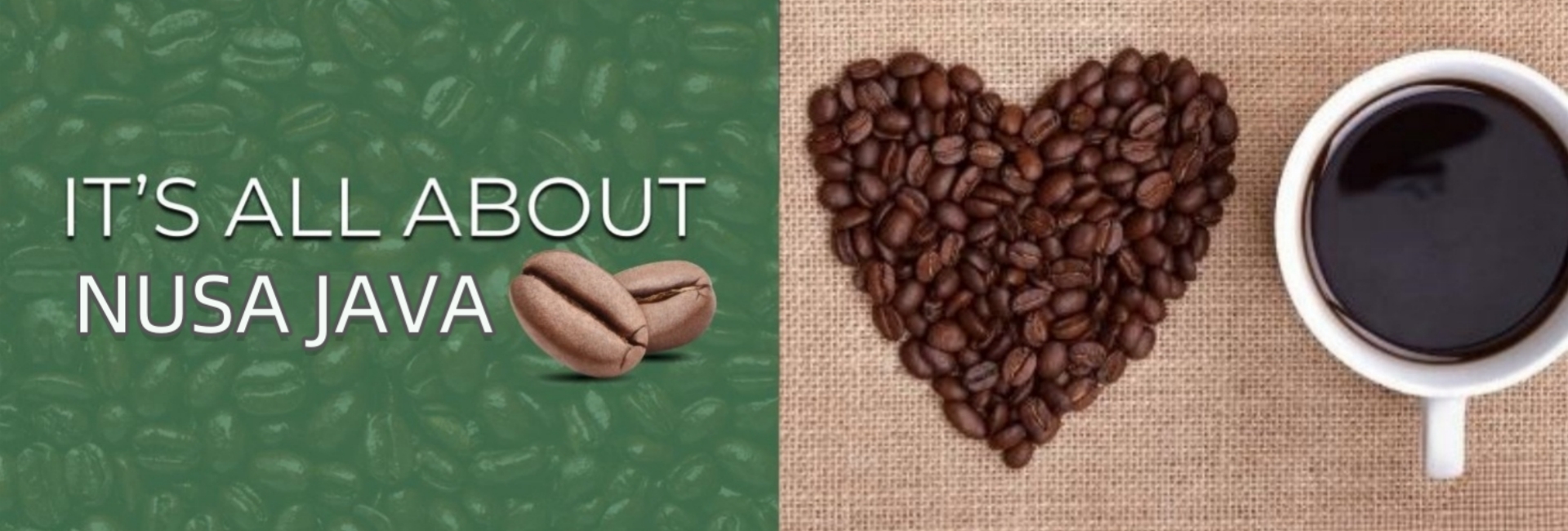

Our Owned Food Factory for OEM/ ODM services

Our Owned Food Factory for OEM/ ODM services

Ruzhi Biotech source factory, own workshop instant coffee OEM, organic matcha powder in stock, food grade cocoa wholesal...
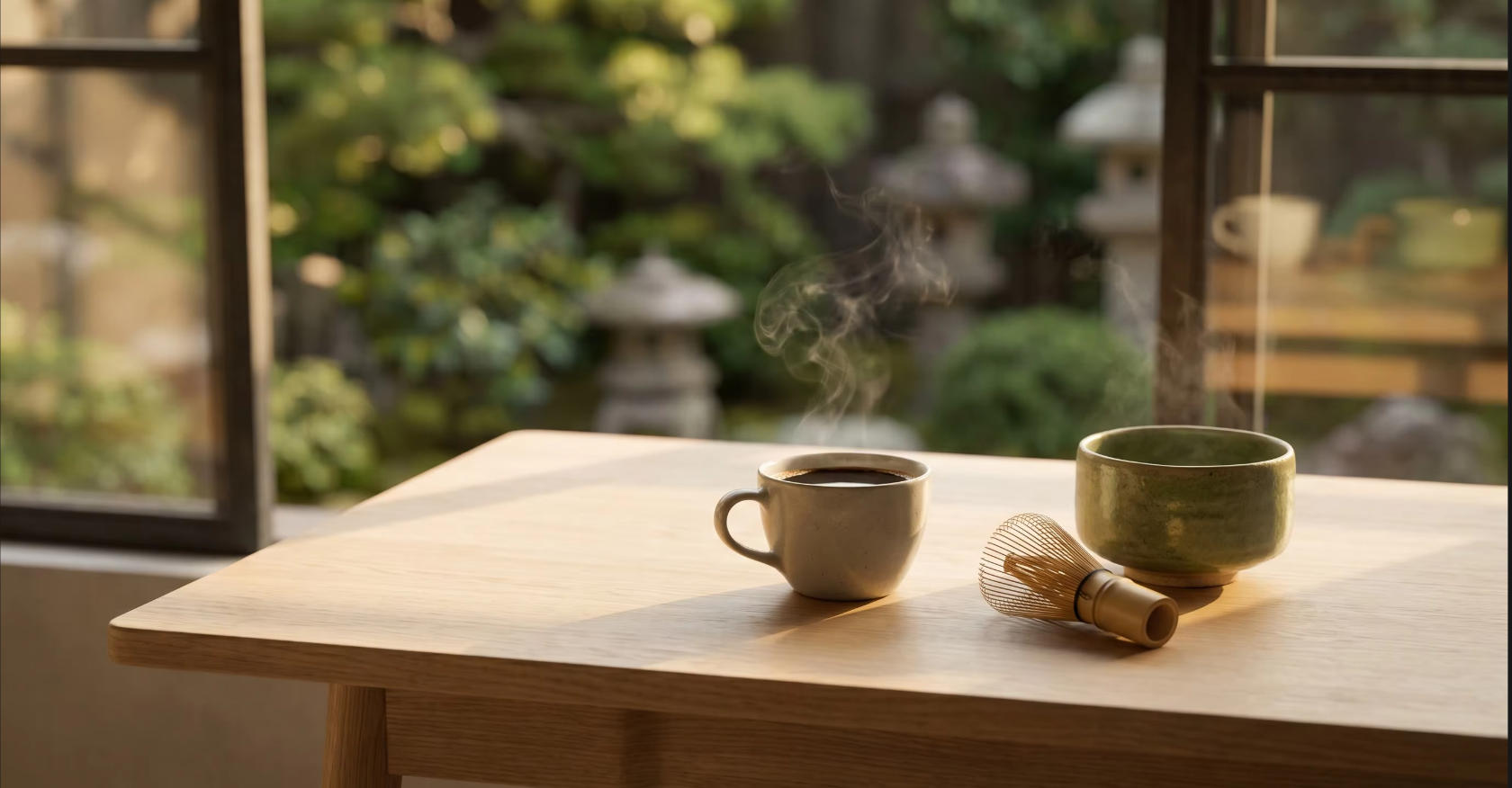
Life is a Perfect Brew: Why Your Daily Coffee Matters

Life is a Perfect Brew: Why Your Daily Coffee Matters

Life is remarkably similar to a cup of specialty coffee—its quality depends entirely on the beans you choose and the pat...

logo NusaJava

Premium coffee crafted with passion and technology. Bringing quality beans and unforgettable taste experiences.

Quick Links

Contact Us

  • Headquarters Address: Qufu city, Shandong Province, China
  • Office Address: Ruko Rukan Hawaii Blok A No 71 Cengkareng, Indonesia
  • +86 1586 3360 691
  • nusajava@yeah.net
© 2026 NusaJava. All rights reserved.
NusaJava